Autumn Apple Glut: How to Preserve Apples by Freezing, Drying and Chutney
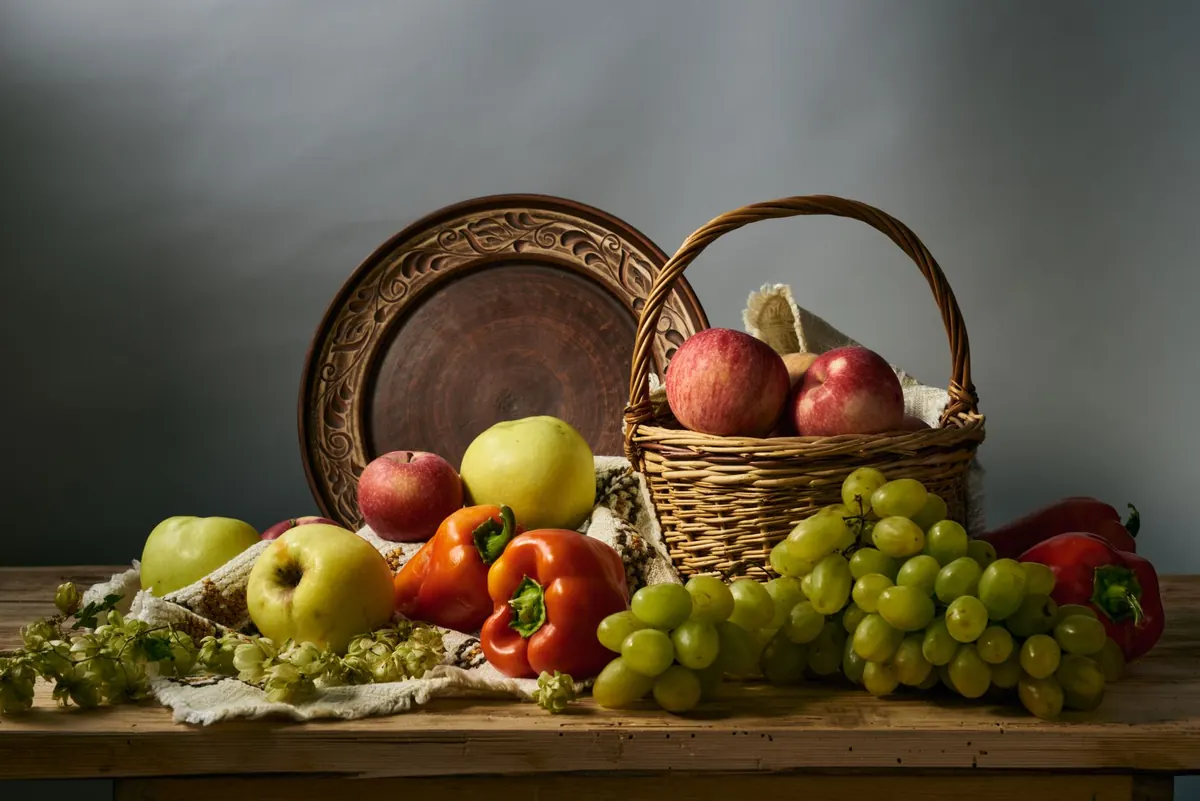
A good apple year is a mixed blessing. One week you're eating them straight from the tree, the next you're pressing carrier bags on anyone who stands still long enough, and the kitchen table has vanished under a drift of fruit. Some of it will keep in a cool shed until spring, but only if the apples are sound and unbruised. Windfalls and the soft, wasp-nibbled ones need dealing with now. Between them, freezing, drying and chutney will take everything you can't eat fresh or store — and each one suits a different kind of apple.
Sort the crop before you do anything else
Spread the apples out in a single layer and give them a proper look. Anything bruised, holed or carrying a soft brown patch goes into the "use this week" pile. Fruit with real mould on it — grey-green fuzz, black spots gone soft and sunken — should be thrown out rather than trimmed. Mould spreads further than you can see, and it isn't worth the risk in anything you plan to keep.
Then split the sound fruit in two. Perfect specimens with their stalks intact go into storage: a cool, dark, frost-free place, apples not touching, ideally in single layers or slatted boxes lined with newspaper. Check them every week or two and pull out any that have started to go. The rest — cut, pecked, slightly bashed — is what the freezer, the oven and the preserving pan are for. Deal with it within a couple of days.
A full carrier bag will usually make one batch of chutney and still leave enough slices for a tray in the oven, so it's worth deciding which job you're doing before you start peeling.
Freezing apples: slices, purée and pie fillings
Bramleys collapse to a fluff when cooked; eaters such as Cox, Egremont Russet or Discovery hold a bit more shape. Both freeze well, but they're good for different things. Cookers become sauce and pie filling; eaters are better sliced for crumbles and traybakes.
- Peel, core and slice into roughly 1cm pieces. Drop them straight into a bowl of cold water with a good squeeze of lemon juice to stop them browning while you work.
- Drain well and spread the slices in a single layer on a lined tray. Freeze flat until solid, then tip into bags. Freezing them loose means you can shake out what you need instead of wrestling with a solid brick.
- For stewed apple, cook peeled chunks with a splash of water and a little sugar until they collapse, cool completely, then freeze in portion-sized tubs or in bags pressed flat. Flat bags stack like files and thaw in minutes in a bowl of cold water.
- Label everything with the date and the variety. Slices are best used within eight to ten months; stewed apple will sit happily for a year.
Leave about 2cm of headspace in tubs, squeeze the air out of bags, and thaw in the fridge rather than on the worktop. A little lemon juice stirred through sliced apples before freezing keeps them pale enough for a pie that looks as good as it tastes.
Drying apples in the oven or a dehydrator
Dried apple is the most space-efficient way to deal with a glut: a kilo of fruit ends up as a small jar of chewy rings. Core and slice 3-5mm thick — a mandoline earns its keep here, though the slicing side of a box grater works if you're careful. Thin-skinned eaters can go unpeeled; Bramleys are better peeled. Dip the slices in lemon water as you go.
Lay them on baking parchment or a silicone mat, not touching, and put them in the oven at its lowest setting — around 50-60C. If the lowest setting is hotter than that, prop the door open with a wooden spoon and check more often. Expect anywhere from four to eight hours depending on thickness and oven. In a dehydrator, follow the manufacturer's guidance, usually 55-60C for six to ten hours.
They're ready when a slice feels leathery and bends without snapping, and no beads of juice appear when you press it. Let them cool completely before judging the texture — they always feel softer when warm. Store in an airtight jar in a cool, dark cupboard. If moisture fogs the inside of the jar in the first week, tip them back onto a tray and dry them further. Dried apples keep for six to twelve months and slowly darken; chop them into porridge, or soak them in a splash of water for pies and crumbles.
Spiced apple chutney that actually keeps
Chutney is where bruised fruit, small windfalls and the last of the crop go to become something better than they were. This makes about five or six jars.
- 1.5kg peeled, cored and chopped apples
- 500g onions, chopped
- 250g raisins or sultanas
- 350g light muscovado or Demerara sugar
- 500ml cider vinegar
- 1 tbsp mustard seeds, 1 tbsp ground ginger, 1 tsp ground cinnamon, a pinch of chilli flakes
- 1 tsp salt
Put everything in a wide, heavy pan and bring to a gentle simmer, stirring until the sugar dissolves. Then leave it to bubble slowly for an hour and a half to two hours, stirring more often as it thickens. Don't be tempted to cut the vinegar: the acidity is what keeps the chutney safe and stops it tasting flat. When a wooden spoon drawn across the base of the pan leaves a clear channel that stays open, it's ready.
Sterilise your jars — a low oven at about 140C for fifteen minutes, or a hot dishwasher cycle — and fill them while both chutney and jars are hot. Seal, label with the date, and leave for four to six weeks before opening. It improves out of all recognition in that time and keeps for a year or more in a cool, dark cupboard. Once opened, keep it in the fridge.
If a jar smells off, the seal has failed or the contents look wrong, throw it out. Preserving is not the place to take chances.
More ways to clear the bowl
- Apple jelly: simmer peelings and cores with just enough water to cover, strain overnight through muslin without squeezing, then boil the juice with about 450g sugar per 500ml until it sets on a chilled saucer.
- Apple sauce: cook chunks with a little sugar and lemon, sieve if you like it smooth, freeze in small tubs for pork or porridge.
- Cakes and muffins: grated apple adds moisture and uses up awkward small fruit that's too fiddly to peel.
- Roasting: halved and cored apples, a scatter of sugar and a few blackberries, twenty minutes in a hot oven.
Keeping the glut manageable
The mistake most people make is trying to process forty kilos in one weekend. Pick one method a day instead: an hour of slicing for the freezer, a tray in a low oven overnight, a chutney session on a wet Sunday. Keep a note on the jar label of what you used and when, so next autumn you know which variety made the chutney everyone asked for. And share the rest. A box of apples on a neighbour's doorstep causes far less stress than another five jars fighting for shelf space.
Photo: Matvei / Pexels
A British Seasonal Pantry Calendar: What to Buy, Store and Cook Month by Month
A month-by-month guide to British seasonal pantry cooking, from Seville orange marmalade in January to...
Freezer-to-Pantry Meal Prep: 8 Make-Ahead Dinners for Busy Weeks
Eight make-ahead dinners that pair freezer portions with pantry staples — from slow-cooked ragù to lentil...
About Us